
Proprietary (Prop) trading, also known as “prop,” is an investment activity conducted by financial institutions with their capital. It involves making investments or taking positions in the market in order to benefit from short-term gains and taking on risks. Prop traders use advanced analysis, strategies, and risk management techniques to optimize returns while minimizing losses. They look for opportunities where they can capitalize on price movements taking advantage of volatile markets. Generally, prop traders take a longer-term view than traditional traders who focus solely on intraday or day trading.
How Does Proprietary Trading Work?
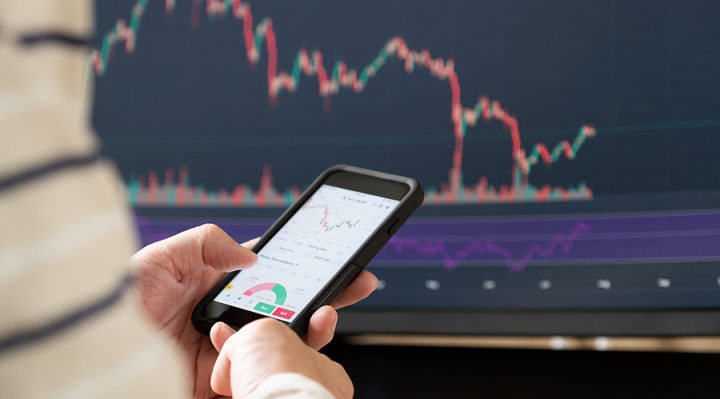

In prop trading, financial institutions can take large positions in the market with their own capital. These trades are typically speculative and involve taking on risk. Prop traders use advanced strategies to identify opportunities in the markets and capitalize on them. They look for price movements that they can benefit from and analyze technical indicators such as volume, price patterns, trends, and support/resistance levels to make decisions. Trades can range from short-term investments to longer-term ones; however, prop trading is generally focused more on long-term investing than day trading.
In order to be successful at prop trading, traders must have a thorough understanding of the markets and be able to identify opportunities quickly. They must also employ risk management techniques such as stopping losses or using options to limit their downside. Additionally, prop traders must have a detailed plan before entering a position, including an exit strategy, in order to maximize returns and reduce losses.
Benefits of Proprietary Trading
1. Stockpiling inventory of securities
Institutions that engage in proprietary trading can benefit from a number of advantages. These include:
- Having access to large capital pools, which enables them to take larger positions than traditional traders.
- Being able to quickly enter and exit positions, allowing for greater flexibility when making trades.
- Being able to stockpile inventory of securities that may not be available on the open market. This allows prop traders to take advantage of opportunities as they arise and make quick profits.
- Having access to advanced strategies and risk management techniques, which allow them to optimize returns, while minimizing losses.
- Not having any outside investors or clients, meaning that all profits go directly into the institution’s coffers rather than being shared with others.
2. Higher profits
The second benefit of prop trading is that it can lead to higher profits than traditional investing because of the nature of the activity. Proprietary traders are not limited by market constraints, such as investor sentiment or external regulations, and can take advantage of any opportunity they see in the markets. Additionally, since prop traders are using their own capital, they have greater flexibility when taking positions and can adjust their strategy quickly if needed. This allows them to maximize returns and minimize losses.
3. Enables firms to gain better insight into market trends and conditions
By observing how traders perform in real-time with their own money, companies can determine which strategies work best in specific market conditions. This information can then be used to build better trading models or to inform decisions about customer accounts.

Hedge Fund vs. Prop Trading
Although proprietary trading and hedge funds may appear similar, there are some important differences between the two. Hedge funds typically involve an investor pooling money together to invest in securities or other financial instruments for a certain period of time with the goal of earning returns. In contrast, prop trading is conducted using only the institution’s capital and does not involve any outside investors or clients. Additionally, most hedge fund managers aim for long-term investments, whereas prop traders focus more on short-term gains from price movements in the markets.
Finally, hedge funds have traditionally been less regulated than prop trading activities; however, since the introduction of new rules such as the Volcker Rule, this is slowly changing. Prop trading is now subject to more regulation and oversight than it was in the past, which makes it important for traders to stay up-to-date on any changes that may affect their activities.
The Volcker Rule on Proprietary Trading
In 2010, the Dodd-Frank Wall Street Reform and Consumer Protection Act was passed in an effort to strengthen regulations of financial institutions. This act introduced the Volcker Rule, which aimed to limit the ability of banks and other financial institutions to use depositors’ money for proprietary trading activities. Under this rule, all proprietary trading must adhere to a strict set of guidelines designed to minimize risk and ensure that any investments made are conducted in a fair and transparent manner.
The Volcker Rule has had a significant impact on the way banks conduct proprietary trading activities. Banks must now adhere to stricter guidelines when making trades and must also provide detailed disclosure of their activities to regulators. Additionally, they are prohibited from entering into certain types of transactions, such as “covered funds” or owning more than 3% of any individual security. Finally, prop traders must also report positions every week, allowing regulators to closely monitor their activities.
Proprietary trading has become increasingly popular over the past few decades due to its potential for high returns and low-risk profiles. But it is important for traders to remember that prop trading carries its own set of risks and regulations which must be taken into account. With the introduction of new rules such as the Volcker Rule, it is now more important than ever for traders to understand how these rules affect their activities and ensure that they are conducting trades responsibly. By doing so, traders can ensure that they are maximizing their returns while minimizing risk.
In conclusion, proprietary trading is a lucrative but risky activity that requires careful consideration of both potential rewards and risks before engaging in any trades. By utilizing the right tools and techniques, traders can take advantage of the benefits offered by prop trading while avoiding some of the risks associated with it. With knowledge, discipline, and an understanding of current regulations, traders can enjoy the rewards of prop trading while limiting their exposure to potential losses.