
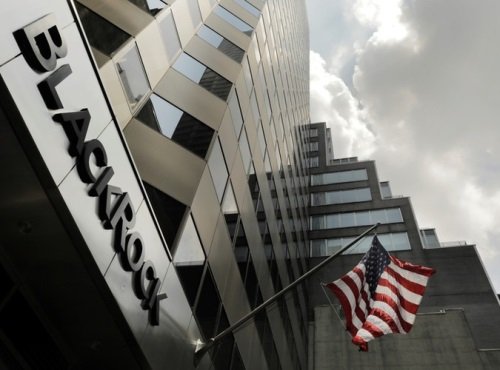
What happened in the market throughout the 2018 should have provided the investors with some lessons. One thing is clear this year: politics actually matters in influencing what happens in the market. As cited by Kenneth Rapoza, a Senior Contributor for Forbes, Richard Turnill – from BlackRock – said that the impacts of geopolitical conditions on the market were surprising, even for investment strategists like him.
Lessons Learnt from the 2018 Market Conditions
Geopolitical conditions, particularly China trade war, had made everything worse in the market. Even the 90-day ceasefire did not help much in returning the situation back. The odd relationship between Chine and the U.S. under Trump leadership brought negative impacts upon the Chinese stocks. This was evident from the decline in valuations.

Therefore, the following are three main lessons learnt from the 2018 market conditions:
Geopolitical Risk is Top-of-Mind
The same condition was evident in European markets as well as in a number of emerging markets. For instance, the recent election of a conservative leader in Brazil had severely affected buying opportunities and stock markets. Investors might not realize this, but studies showed so.
Politics is always messy, but the situations seemed much worse in 2018. The political drama is expected to continue in the coming years. As a result, investors and businesses have to be ready with the worst-case scenarios. When Washington keeps going heightened, the divided government will adversely affect the market.
Fed Ruined Everything
BlackRock might put it too frankly. In fact, the markets were exposed to weak fundamentals. Investors prioritized short-term yields. As a result, cash became a potential alternative to asset investments, as the latter was much riskier. Since Fed increased interest rates, the 2-year US Treasury yields had increased more than 3 folds.
On the other hand, this regulation hit the emerging markets hard. This was particularly true in the markets with large external liabilities. They were hit severely by the Fed tightening, which went beyond the expectation. In the last 8 years, the Fed had provided Wall Street free moves. Stocks and bonds went in one directions at once. However, the Fed reversed the trend in 2018.
Broad Market Declines Have Been More Frequent
In the past, November and December was the time for retailers and supermarket to expect more sales and profit margins. However, a different trend has been evident in the past few years. December’s sell-off has become more frequent, despite more aggressive promotion activities. The same trend was evident in stock and bond market.
Many factors might contribute to the market decline. Brick-n-mortar businesses and street stores have been struggling to attract visitors. Aggressive promotion activities might work, but they do not improve the unit profit margins. More sales do not convert to higher profits. The businesses also need to compete with online stores.
Conclusion
Those three lessons learnt from the 2018 market conditions require the investors to think harder. They must be prepared for the worst condition. Richard Turnill recommended exposure to short-term profits but also allocating money for assets, which offer more promising risk/return prospects. Moreover, he recommends avoiding assets with limited upside prospects.