
In European trading, the GBP/USD currency pair has risen to near 1.2200. In December, the UK ILO Unemployment Rate stayed at 3.7%, while annual pay inflation, excluding bonuses, rose to 6.7%. Then, the US CPI.
On Tuesday, the GBP/USD pair went above 1.2150 for the first time in five days. The technical outlook for the next few months is positive, but the direction of the pair should depend on how the market reacts to the US inflation report for January.

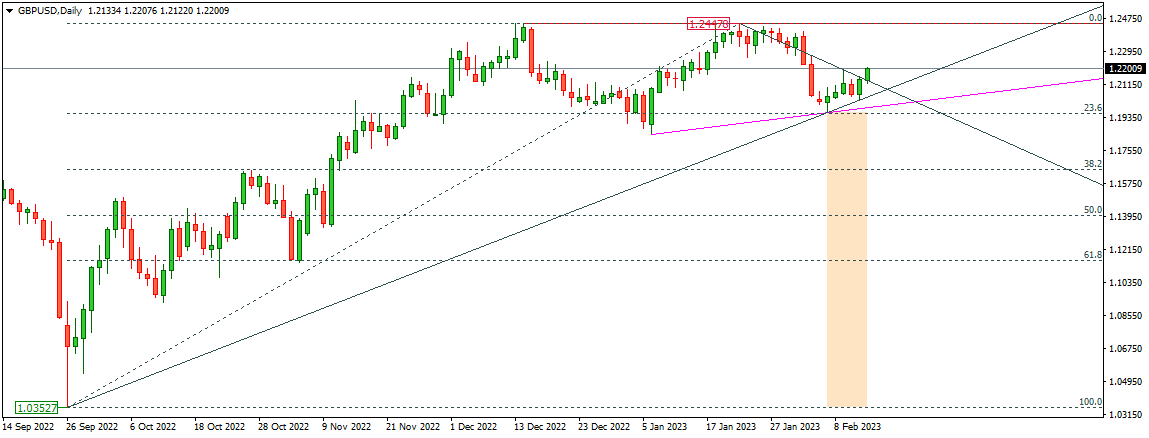
The UK’s Office for National Statistics said earlier in the day that the ILO Unemployment Rate stayed at 3.7% in the three months leading up to December, which was what the market expected. The UK jobs data also showed that annual wage inflation, as measured by Average Earnings Excluding Bonus, jumped from 6.5% to 6.7%.
Investors thought that the strong wage inflation data could be a reason for the Bank of England to keep its tight monetary policy, which would make the Pound Sterling stronger. Since people in the market are focused on US data, the GBP/USD might not bounce.
The Core Consumer Price Index (CPI) is expected to go up by 0.4% in January, according to the Bureau of Labor Statistics. A number that the market was expecting might not be enough to make the US Dollar stronger and keep GBP/USD steady. Due to changes to the BLS CPI basket and rising prices for used cars, core inflation is likely to rise in January.
Trade Idea
If the monthly Core CPI number is lower than what the market expects, the US Dollar should fall, and vice versa.