
GBP/USD currency pair bulls propelled the Cable to a third consecutive intraday high of 1.2085 before Thursday’s London start. The US currency decline has diverted attention from the UK economy and politics. Incomplete data from before consolidation may affect UK fourth-quarter GDP figures reported on Friday.
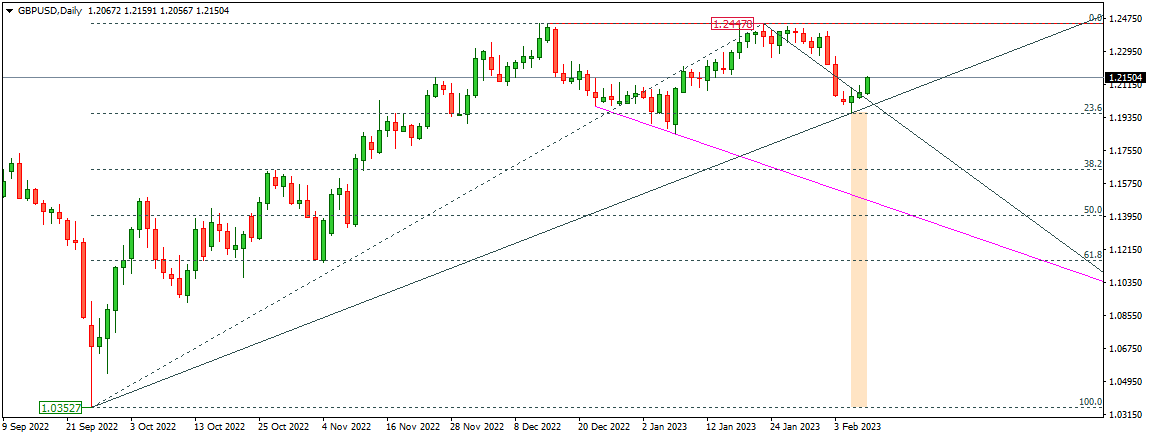

The US Dollar Index (DXY) lost 0.11% to 103.35, reversing the day’s gains. On Wednesday, 10-year US Treasuries slipped from a monthly high of 3.61% to 3.61%, ending a three-day advance.
Optimistic investors may hurt the dollar. Since the balloon incident, concerns about the US and China have decreased, and Asian investors are more willing to take risks due to the People’s Bank of China’s predicted interest rate reduction and the growing activity of Chinese companies listing on American stock exchanges.
Three hardline Fed governors, Christopher Waller, John Williams, and Lisa Cook, have advocated for hiking interest rates and delaying cuts until 2023. USD should have been appreciated. The US government reported diminishing supply-demand mismatches in various areas despite rising inflation. On PBS, President Joe Biden forecasted no recession in 2023 or 2024.
The UK Royal Institution of Chartered Surveyors (RICS) revealed today that the year’s interest rate increases triggered the most significant monthly drop in property values since 2009. UK economic and labour upheaval confronts GBP/USD bulls.
Brexit boosts the pound. Reuters reported Wednesday that prominent Northern Irish players discussed improving trade connections after Brexit.
Moderate optimism affects the USD. The 10-year US Treasury note interest rate dipped from a month high to 3.61% on Wednesday after increasing for three days. S&P 500 Futures rebounded despite Wall Street’s bad day.
Conclusion
Andrew Bailey’s UK Parliament testimony will affect GBP/USD. That “Old Lady” Bank of England hawkishness may be to blame. Friday’s US and UK GDP and consumer spending data are crucial.