
After ending Tuesday in the red, the GBP/USD pair shot up towards 1.2100 early on Wednesday. Once the pair breaks through 1.2120, buyers may be interested.
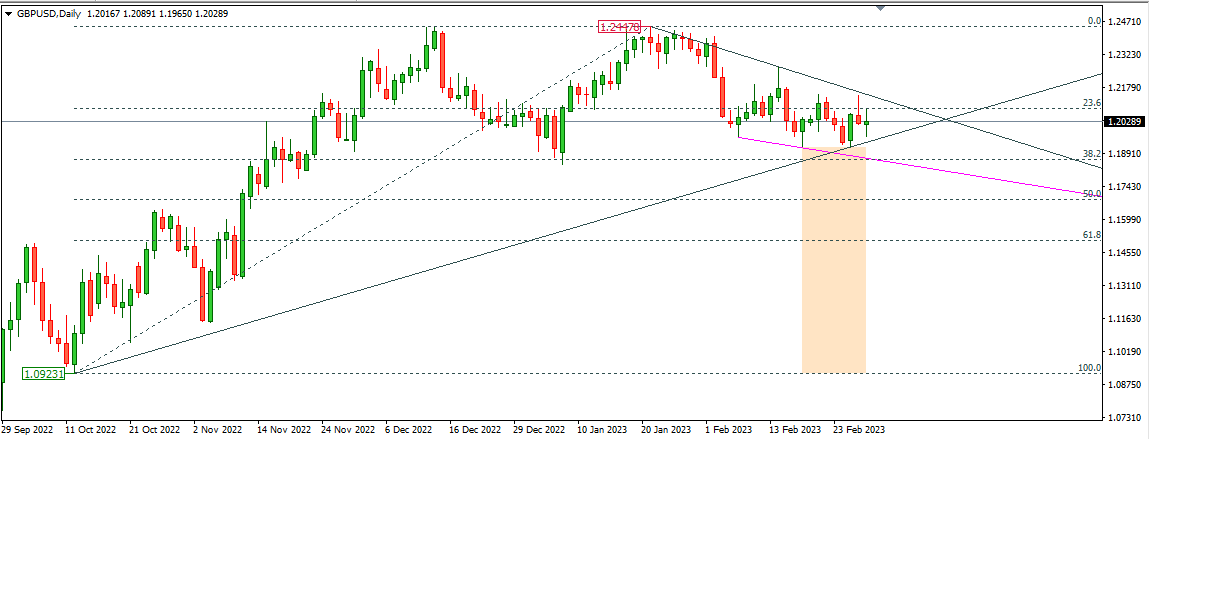

On Tuesday, GBP/USD went above 1.2100, but US stocks went down in the second half of the day, showing that investors are cautious.
Still, China’s PMI results that were better than expected sparked hopes for growth in the world economy and brought risk flows back to markets. The GBP/USD pair went up again as the USD lost interest.
When this article was written, the FTSE 100 Index in the UK was up 0.5%, and American stock index futures were up between 0.2% and 0.4%.
In the US session, ISM will release the Manufacturing PMI survey for February. The main PMI number should increase from 47.4 in January to 48 in February. If this number drops below what it was in January, manufacturing company activity will drop more quickly. In that case, there may be more pressure to sell Dollars. But if it goes back above 50, the first reaction should be strengthening the USD and sending the pair down.
Rishi Sunak, the British prime minister, is said to have told his MPs to give the Democratic Unionist Party (DUP) time to look over the new deal. Sir Jeffrey Donaldson, the leader of the DUP, told the BBC that the new plan addresses “some of” his party’s concerns but still has some problems. If the DUP agrees to the deal, the value of the British pound may go up.
Conclusion
GBP/USD will likely stay above the 100-period Simple Moving Average in the short term (SMA).